
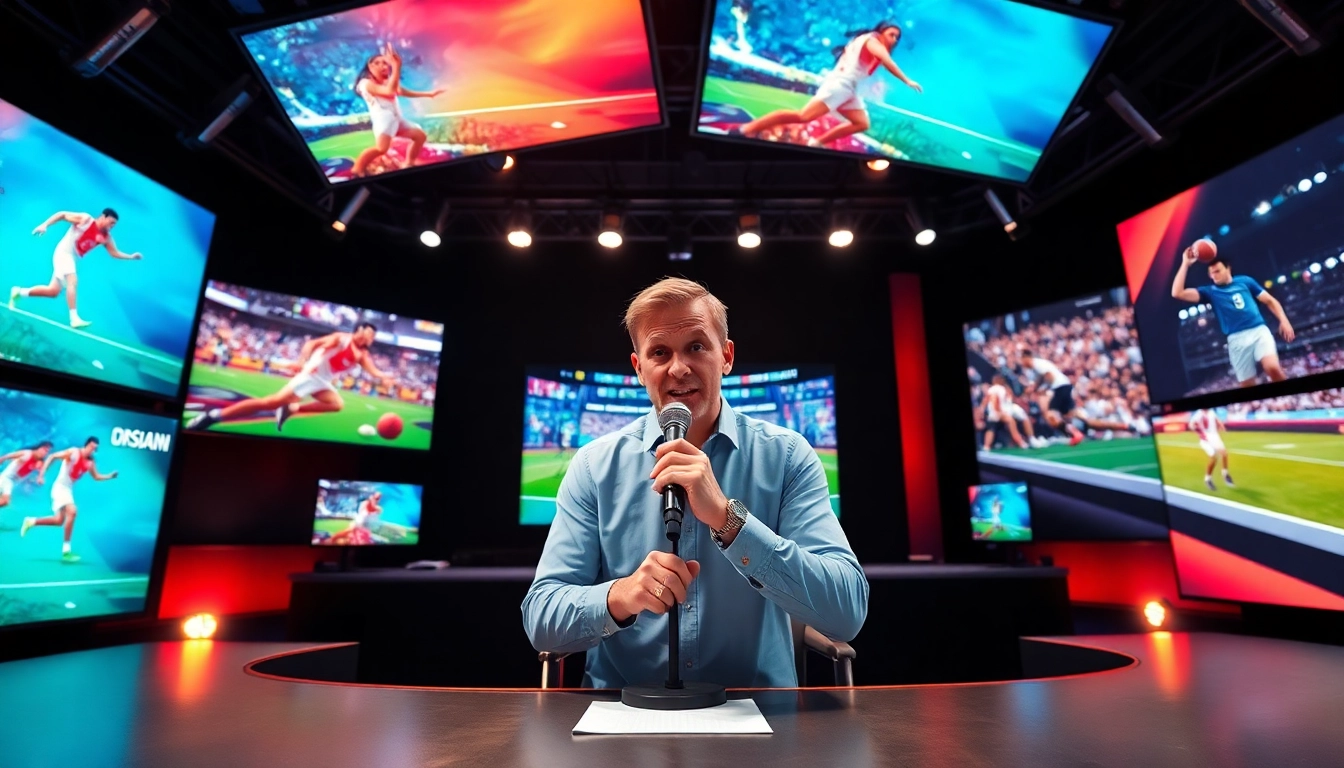
Understanding Sports Broadcasting Basics
What is Sports Broadcasting?
Sports broadcasting refers to the live or recorded transmission of sporting events through television, radio, online platforms, or social media. In essence, it acts as a bridge between the exciting world of sports and the millions of fans eager to consume content. The field has evolved over the years, offering diverse formats such as traditional TV broadcasts, streaming services, and even mobile applications. The increasing globalization of sports has made Sports Broadcasting a crucial component of sports marketing and audience engagement, allowing fans from different regions to enjoy events in real-time.
Key Roles in Sports Broadcasting
Sports broadcasting relies on a range of professionals, each contributing unique skills and expertise. The key roles include:
- Play-by-Play Commentators: These individuals deliver the play-by-play description of the game, engaging viewers with their excitement and detailed observations.
- Color Analysts: They provide insights and commentary that enhance the viewer's understanding of the game. Their role is to provide context, statistics, and expert analysis.
- Producers: Producers orchestrate the entire broadcasting operation, including the selection of camera angles, the flow of coverage, and timing for commercial breaks.
- Camera Operators and Technicians: Responsible for capturing the visual elements of broadcasts, these professionals ensure that every important moment is documented effectively.
- Reporters: Typically stationed on-site, reporters conduct interviews and gather fan reactions, providing a live connection to the event from the ground level.
Types of Sports Broadcasts
Sports broadcasts can be categorized into several types based on the medium and format:
- Television Broadcasts: This traditional format remains the most popular, where signals are transmitted via cable or satellite.
- Radio Broadcasts: An effective medium for on-the-go listeners, radio broadcasts rely heavily on the commentator's voice to convey excitement.
- Online Streaming: Platforms like YouTube and Twitch allow for flexible content delivery, catering to the digital-native audience.
- Social Media Live Streaming: Using platforms such as Facebook Live or Instagram, broadcasters can interact in real-time with fans.
- Podcasts: While not live broadcasts, podcasts provide in-depth discussions and analyses of sports, offering fans alternative consumption methods.
Essential Skills for Sports Broadcasting
Communication Skills in Sports Broadcasting
At the heart of effective sports broadcasting lies exceptional communication skills. Commentators and analysts must articulate their thoughts clearly and engagingly. The ability to adapt messaging based on audience understanding is crucial, particularly when discussing complex rules or strategies. Moreover, interpersonal skills are necessary for reporters conducting interviews, as they must establish rapport with athletes and coaching staff to elicit insightful responses.
Technical Skills Required
Technical proficiency is an essential aspect of sports broadcasting. Professionals need to be familiar with the equipment used, such as cameras, microphones, and broadcasting software. Understanding how to operate live streaming tools and editing software is also becoming increasingly important as digital platforms rise in prominence. Additionally, knowledge of video playback technologies and the ability to use graphics tools for live scoring updates enriches broadcast quality and viewer engagement.
Research and Content Preparation
Behind every successful sports broadcast is meticulous research and content preparation. Broadcasters must gather and analyze statistics, player biographies, and historical context to deliver insightful commentary. Preparation may involve reviewing previous games, spotting trends, and understanding strategies employed by teams. With a well-rounded background, broadcasters can better captivate their audience and provide a richer viewing experience.
Technologies in Sports Broadcasting
Equipment Used in Sports Broadcasting
The toolbox of sports broadcasting professionals is extensive, encompassing a variety of specialized equipment. Key tools include:
- Cameras: High-definition cameras are essential to capture every detail of the game.
- Microphones: Quality microphones ensure clear audio from commentators and capture the on-field sounds that heighten viewer experience.
- Switchers and Mixers: These devices allow broadcasters to transition smoothly between different feeds, graphics, and audio sources.
- Graphics Software: Essential for enhancing storytelling, these tools generate real-time graphics such as scores, player stats, and replays.
Broadcasting Software Solutions
Software solutions have revolutionized the efficiency of sports broadcasting. Broadcasting platforms like OBS (Open Broadcaster Software) enable multi-platform streaming, while advanced graphics and data integration systems enhance the viewer experience. Slow-motion replay systems aid analysts significantly in breaking down plays. Understanding different software solutions can dramatically improve broadcast quality and viewer engagement.
Future Trends in Broadcasting Technology
As technology continues to advance, so does the landscape of sports broadcasting. Upcoming trends include:
- Virtual Reality (VR): VR can deliver immersive experiences, allowing viewers to feel as if they are part of the action.
- Augmented Reality (AR): Enhancements such as real-time statistics displayed within the viewer's visual field are set to revolutionize how fans consume sports.
- Artificial Intelligence (AI): AI is being utilized to create intelligent analytics systems for real-time data analysis and insights, improving commentary and storytelling.
- Higher Quality Streaming: With the advent of 5G technology, viewers can expect faster, more reliable streaming experiences.
Best Practices for Effective Sports Broadcasting
Engaging Your Audience
Capturing an audience's attention is an ongoing challenge in sports broadcasting. This involves employing engaging storytelling techniques, interacting with fans via social media, and facilitating discussions around the sport. Utilizing fan polls or creating interactive segments during broadcasts adds a personal touch, making viewers feel more connected to the event.
Maintaining Contextual Relevance
Context is critical in sports broadcasting. Broadcasters should ensure that their commentary reflects not only the on-field action but also dives into the relevance of plays in the larger context of the game, the season, or the athlete’s career. Offering insights into rivalries, stats, or previous encounters can create a richer narrative for viewers.
Adapting to Different Sports
Each sport has unique characteristics, and adapting the broadcasting approach is vital for success. Understanding the pace, rhythm, and culture of the sport allows broadcasters to tailor their analysis and commentary. Effective sports broadcasters need to appreciate these nuances to maintain relevance and effectiveness across various sports.
Career Opportunities in Sports Broadcasting
Various Career Paths
The sports broadcasting field offers diverse career opportunities beyond the traditional roles of commentator and analyst. Potential career paths include:
- Sports Journalist: Focus on writing articles and conducting interviews, often leading to detailed reports and analysis.
- Social Media Manager: Curate and manage the social media presence of sports organizations, connecting with fans online.
- Producer: Oversee the planning and execution of broadcast events, including logistics and scheduling.
- Technical Director: Supervise the technical aspects of the broadcasting process, from equipment setup to troubleshooting live issues.
Networking in the Sports Broadcasting Industry
Networking is pivotal in building a robust career in sports broadcasting. Joining professional associations, attending industry conferences, or engaging in online forums can facilitate meaningful connections. Leveraging social media platforms allows aspiring broadcasters to engage with professionals in the field, learn from their experiences, and find potential job openings or collaborations.
Building a Portfolio for Success
A well-constructed portfolio is an essential tool for anyone seeking to enter the sports broadcasting industry. This should include a demo reel showcasing your best work, articles written, or any other relevant content. It is a way to demonstrate skills practically, allowing potential employers to assess capabilities effectively.
Frequently Asked Questions
What skills are essential for a career in sports broadcasting?
Essential skills include communication, technical proficiency, interpersonal abilities, and research skills to prepare for broadcasts effectively.
What technology is used in sports broadcasting?
Common equipment includes cameras, microphones, broadcasting software, and graphics systems to enhance the viewing experience.
How can I break into sports broadcasting?
Start by networking, creating a portfolio, and gaining experience through internships or volunteer work to build relevant skills.
What types of broadcasts are the most popular?
Television broadcasts remain the most popular, followed by online streaming and radio broadcasts, catering to diverse audiences.
What future trends should broadcasters be aware of?
Industry trends include VR and AR enhancements, the integration of AI for analytics, and the development of high-quality streaming technologies.